For many homeowners, the goal seems simple: sell your current home and move into your next one. But what happens when the timing doesn't line up? What if your home sells before you're ready to move? Or you find the perfect next home before your current one has sold? That period between transactions is “the gap,” and without a plan, it can create unnecessary stress. When you're selling and buying at the same time, you're really managing two major transactions—and each one can affect the other. A delay with one home can quickly create a domino effect. And, this Domino could be dependent on the buyer of your current home if they are also trying to employ other Gap Strategies.
A contingency can make the purchase of your next home dependent on the sale of your current home. This can help protect you from owning two homes at once. The trade-off is that a contingency can make your offer less attractive to a seller, particularly in a competitive market. Understanding your options and the current market is important before deciding if this strategy makes sense for you. Sellers in some markets will not consider a contingency period. And other markets it may be acceptable with certain terms, which typically means paying asking price or higher for the home you want to purchase. If a contingency offer is acceptable, your strategy should be to provide the seller a "preponderance of evidence” that your home will sell within the time frame you are asking. So, how do you do that? Have a meeting with your local and experienced realtor who knows your community and neighborhood. Reviews like kind comparables, Days on Market (DOM), asking price vs selling price, and any property advantages you may have over other comparable properties. I would not recommend sending a one page list of homes that mean nothing to the other agent, unless you are moving within the same general area. Keep in mind the listing agent for the other seller will likely share whatever documents that your local realtor has provided. Include property photos of the comparables and give granular detail as to why your home is priced competitive to other properties or even lower than other properties. Create a “story board” if you will. Also, the fact that you have an experienced Realtor, not just a newly licensed Realtor will also carry some weight with the seller. And, let’s suppose your Realtor is helping you buy the next home as well as sell your current home, then by all means negotiate a lower service fee based on the fact that He or She will be earning a commission on both transactions.
Let’s suppose you have identified a property that will not be available by the time you can get your current home closed. A bridge loan is a short-term financing option that allows homeowners to use a portion of the equity in their current home before it sells. Those funds can help cover the down payment and closing costs on the next home, making it possible to buy first and sell afterward. This can eliminate the need for a home-sale contingency and give the homeowner time to move before preparing the former home for sale.
For example, a homeowner with a property worth $750,000, a $250,000 mortgage balance and approximately $500,000 in equity might use a $160,000 bridge loan toward the purchase of a $675,000 home. When the current home sells, the proceeds first pay off the existing $250,000 mortgage and the $160,000 bridge loan, along with selling expenses and bridge-loan costs. Assuming approximately $45,000 in selling expenses, the homeowner could have roughly $295,000 remaining before bridge-loan interest and fees. Those funds could be kept as reserves or applied to the new mortgage to significantly reduce its balance and, when permitted by the lender, recast the loan for a lower monthly payment. We have a detailed worksheet on Bridge Loan Cost that you can review at www.retire2nc.com/gap as well as more strategies to “Plan for the Gap”.
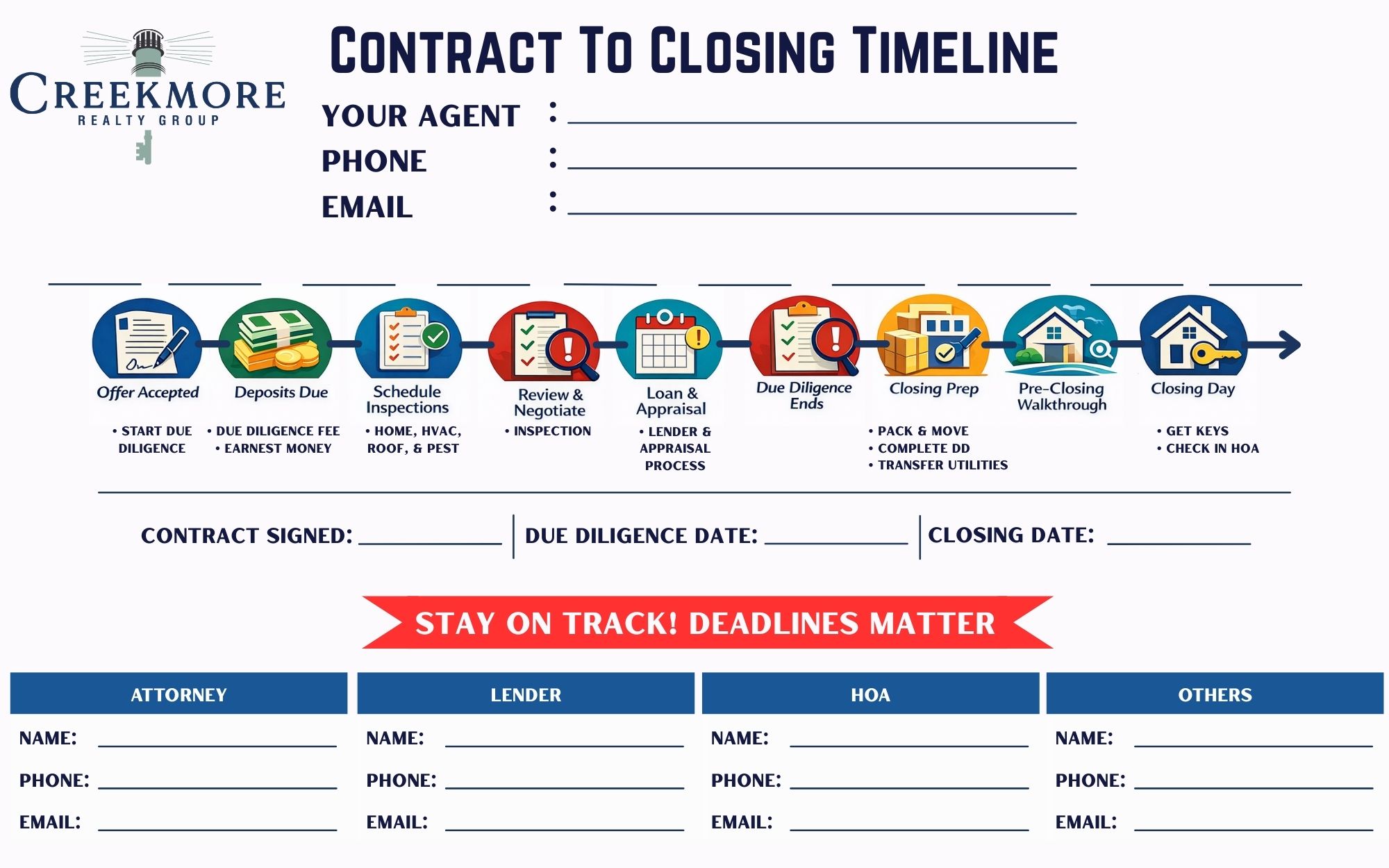
Sometimes, careful coordination can make all the difference. An extended closing may give you additional time between transactions, while simultaneous closings can allow the sale of your current home and purchase of your next home to happen on the same day. North Carolina Purchase Contracts are somewhat different from other states so it is important to understand date extension guidelines for both purchase contracts. We have found it very helpful to diagram the important dates for both closings. You can also find this downloadable pdf diagram on www.retire2nc.com/gap Protip: Never plan for the moving company to unload on the closing day of your new home. You must prepare for a buffer in time. Your Realtor will coordinate timelines and communication among the buyers, sellers, lenders and other professionals involved.
A new construction builder may pay rent to the new owner for a period of time and utilize the home as a model to presale other new homes. In coastal NC, the lease back amount is typically 4-4.5% of the purchase price.
Sellers agree to allow new buyers to move in early or buyers agree to allow sellers to remain in the home for a period of time. A simultaneous possession on the other end is sometimes a great strategy. Careful coordination and negotiation is critical.
Even the best-laid plans can change or the seller may not accept any of the discussed strategies. Sometimes an additional mortgage on the new home is the only option until you sell and close on the current home.
An experienced Realtor is critical to help you navigate this move and to plan for the gap. Be sure to have this “what if” discussion before you list your home so that you can prepare and also to confirm the Realtor you are interviewing is the best Realtor for you. The skill is making all dominos fall in the right order.
CLICK ON THE IMAGE BELOW TO DOWNLOAD IT